Gardening Services in Palmers Green

Our gardening services in Palmers Green focus on practical, well-planned outdoor care for homes and managed properties that need tidy, reliable attention. We handle routine garden maintenance, hedge trimming, lawn mowing, garden clearance and selected landscaping work, with each task shaped around the condition of the space and the results you want to achieve. The aim is to keep outdoor areas ordered, healthy and usable without overcomplicating the process.
For many customers, the most useful approach is a combination of regular maintenance and targeted work at the right time of year. That may mean keeping borders under control, managing growth on paths and boundaries, improving the appearance of a lawn or removing unwanted material before a larger refresh begins. If you need a quotation, you can start with a plain description of the area and the work you want completed.
Our service is suited to gardens that need one-off attention as well as ongoing care. We work with existing planting, hardstanding edges, grass areas and mixed outdoor spaces, and we can scale the job to match the amount of work involved. Tell us what needs doing, and we can help you decide whether maintenance, clearance or landscaping is the better fit for the space.
Garden Maintenance and Regular Care
Garden maintenance is the backbone of a well-kept outdoor space, especially where growth changes quickly through the seasons. In practical terms, that means checking the main visible elements of the garden and bringing them back to a manageable state. Mowing, edging, cutting back soft growth, neatening beds and removing small accumulations of waste all help prevent a garden from feeling unfinished. Good maintenance is less about dramatic change and more about keeping the whole area balanced.
We can support gardens that need occasional visits or more consistent attention. That might include trimming around paths, keeping borders clear enough to inspect, or dealing with places where grass and planting are beginning to overlap. A useful maintenance plan is one that respects the garden’s layout instead of forcing every area into the same routine. Some spaces need careful pruning; others mainly need reduction, tidying and a clean finish.
Our services overview gives a clear view of the different kinds of outdoor work we offer, which can help if you are deciding whether your job needs maintenance, clearance or a wider improvement. When the need is more specific, the next sections explain the individual services in more detail so you can match the task to the right type of work.
Lawn Mowing and Grass Care

A lawn often sets the tone for the rest of the garden, so mowing and basic grass care can make a noticeable difference straight away. The work may include cutting to a neat finish, managing edges, keeping access routes clear and dealing with uneven growth where the grass has become longer than expected. Where appropriate, the result is a lawn that looks intentional rather than neglected.
Grass care is not only about the cut itself. If a lawn is shadowed, patchy or affected by surrounding planting, the approach needs to be sensible rather than aggressive. Careful mowing height, tidy edging and a considered routine can all help a lawn look better while remaining easy to maintain. In some cases, more substantial landscaping or clearance may be needed first if the grass area is partly obstructed or badly encroached.
The main decision for customers is whether the lawn simply needs regular mowing or a broader reset to bring the whole area back under control. If grass is only part of the issue, mowing can be combined with light garden maintenance so the edges, borders and pathways also look finished. That usually gives a cleaner result than treating the lawn in isolation.
Hedge Trimming and Boundary Shaping
Hedge trimming is one of the most effective ways to bring structure back to a garden. A hedge can define a boundary, soften a fence line or provide a screen, but it can also become uneven if it is not trimmed in a considered way. Trimming is about more than removing height; it is about maintaining shape, managing spread and keeping the boundary neat from top to bottom.
We handle hedges as part of a wider garden service or as a standalone task, depending on what the site needs. Some hedges only require light shaping to keep them tidy, while others need a more decisive cutback to restore clear lines. A good finish depends on understanding how the hedge sits within the rest of the garden, including whether it is framing a lawn, marking a path or supporting privacy for the property.
Boundary work can also make access safer and the whole space easier to see and maintain. If the hedge is part of a larger overgrown section, trimming may be combined with clearance or maintenance so the surrounding growth does not undo the benefit of the cut. For a full refresh, it is often best to look at the hedge and its base together rather than treating them as separate jobs.
Garden Clearance for Overgrown or Cluttered Spaces
Garden clearance is the right starting point when a space has become cluttered with cuttings, unwanted growth or general debris that is making it hard to use properly. It can involve removing dense plant material, cutting back brambles and other invasive growth, clearing accumulated waste and opening up areas that need to be seen before any further work is possible. The purpose is to restore order and create a workable base.
Clearance is especially useful before maintenance or landscaping begins, because it removes the material that would otherwise get in the way. It can also be the best option when the garden is so uneven that smaller jobs would not make enough difference. We approach clearance with an eye on what should be kept, what should be reduced and what needs to go, rather than simply stripping everything out.
When a client asks for a quotation, the most helpful starting point is a brief explanation of the visible condition of the garden and the areas that are hardest to manage. You do not need to explain every detail in advance, but a clear description helps us understand whether the job is mainly clearance, maintenance or a mix of both. Read more about garden clearance if that is the main issue you are dealing with.
Landscape Gardening and Practical Improvements

Landscape gardening is about shaping the garden so that the different parts work together more effectively. That can include rearranging beds, changing the layout of planted areas, improving edges or introducing features that help the space feel more coherent. The best results are usually practical as well as visual: the garden should look better, but it should also be easier to maintain afterwards.
We can support projects where the emphasis is on controlled change rather than total rebuild. Some customers want to improve a tired garden with clearer structure and better planting lines, while others need a more measured approach that keeps existing elements and upgrades only the weak points. This kind of work often sits between maintenance and full landscaping, which makes planning important. A good design decision can reduce future upkeep as well as improve appearance.
If you are deciding between a light refresh and a more involved project, it helps to think about how much of the current layout is still useful. Paths, beds, lawns and boundary treatments may all remain part of the plan, but each one can be adjusted to give the garden a cleaner overall finish. You can request a quotation once the main changes are clear, and we can work from the scale of the space rather than guesswork.
Landscaping Work and Garden Makeovers
Landscaping usually comes into play when a garden needs a more substantial change in structure or finish. That may involve reworking levels, refreshing surfaces, improving edges or setting out new sections that fit better with the way the property is used. Landscaping can sit alongside planting and maintenance, but its main role is to give the outdoor area a stronger layout and a more deliberate result.
Not every landscaping job needs to be large. A smaller project might focus on one problem area, such as awkward edges, unused corners or an outdoor section that no longer matches the rest of the garden. A larger project may need several elements to be considered together so that the result feels joined up. In either case, the aim is to improve the space in a way that still makes sense for ongoing care.
Useful choices often come down to whether the existing garden should be adapted or partially replaced. If the current layout is sound, landscaping can refine it; if it is tired or inefficient, more of the space may need to be rethought. The practical question is not simply what would look new, but what would make the garden easier to live with and maintain over time.
About Palmers Green

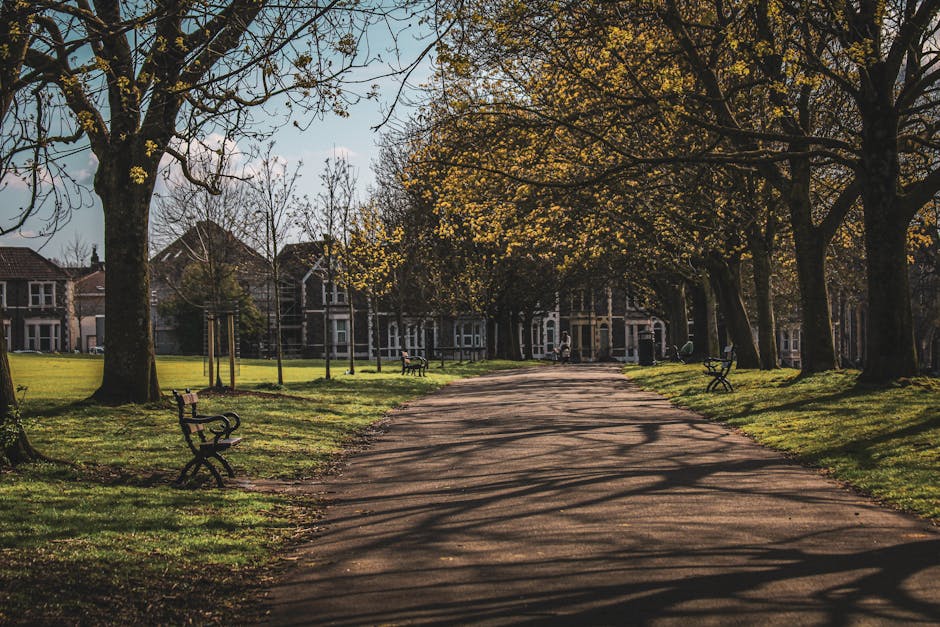
Palmers Green is a district in the London Borough of Enfield, in north London, and its character is shaped by a mix of residential streets, local shopping routes and green spaces. The area takes its name from an old reference to a palm growers’ field, though the modern place is much better known for its suburban development and local centre around Green Lanes. The railway arrived in the nineteenth century and helped transform the district from a more rural setting into a connected residential neighbourhood, with growth continuing through the Edwardian period and beyond. Today, the area contains a range of housing styles, from Victorian and Edwardian terraces to later suburban homes and apartment buildings, which gives its streets a varied appearance. Nearby Broomfield Park is one of the best-known open spaces in the district, with broad lawns, ornamental features and mature trees that provide an important local landmark as well as a popular place for walking and informal recreation. The wider surroundings include everyday amenities, schools, churches and long-established local businesses, while the street pattern still reflects the area’s development along key transport corridors. Palmers Green also has an active community identity, with cultural connections that include the diaspora communities that have helped shape shops, cafés and local life along the high street. Taken together, these features give the district a distinctly suburban but lively character, with green pockets, transport links and a long-standing residential base all contributing to its present-day feel.
Tree Lopping and Removal
Tree lopping and removal are more specialist tasks that call for care, judgement and the right level of intervention. In some gardens, a tree may only need reduction or selective cutting to keep it from dominating the space. In others, a full removal is the practical answer where the tree is unhealthy, badly positioned or preventing sensible use of the area. The right approach depends on the condition of the tree and the role it plays in the garden.
We treat tree work as part of the overall outdoor picture rather than as an isolated task. A large tree can influence light, access, boundary shape and the condition of nearby planting, so the decision to cut or remove it often affects several parts of the garden at once. Where possible, the work is planned so the space is left clear and ready for whatever comes next, whether that is replanting, maintenance or landscaping.
Tree lopping and removal options are useful when growth has become too difficult to manage in a routine way. If you are comparing different services, this may help you decide whether the issue is a simple trim, a more substantial reduction or complete removal.
Pricing, Scope and What Affects the Quotation

Quotation details are usually clearer when the main scope is described in straightforward terms. The size of the garden, the amount of growth, how much material needs to be removed and whether the job is a single visit or part of a longer plan all influence the work involved. Access to the space and the mix of services requested can also affect the quotation, especially when garden maintenance is combined with clearance or landscaping.
It helps to think about the result you want rather than trying to translate everything into technical language. For example, you might want a lawn brought under control, hedges shaped evenly, a neglected border cleared or several sections of the garden made ready for future improvement. The more clearly those priorities are set out, the easier it is to prepare a quotation that matches the task. Our pricing and quotes page explains the enquiry route in more detail.
If you are ready to move ahead, you can send a brief description of the work and ask for a quotation in plain text. Start with the main problem, then mention any related areas if they matter. That is often enough to begin the process, and it avoids unnecessary back-and-forth when the job is still at the planning stage.
Preparing Your Enquiry and Choosing the Right Service
Before requesting a quotation, it is useful to identify the parts of the garden that are most in need of attention and the order in which you would like them tackled. A short list can be enough: for instance, mowing the lawn, trimming the hedge, clearing the back corner and tidying the borders. If you are unsure which service fits best, a simple overview of the space will usually make the right option clearer.
When several jobs are needed, it is often sensible to group compatible tasks together. Garden clearance may come first, then maintenance, then landscaping or planting improvements once the space is open and manageable. This sequence helps avoid doing delicate work before the area is properly cleared. It also means the quotation can be based on the actual shape of the job instead of a guess about how much preparation is required.
For a straightforward start, send the main service you need and mention any extra areas that should be included. You can then contact us for a quotation when you are ready, and we will use the information you provide to discuss the next step.